
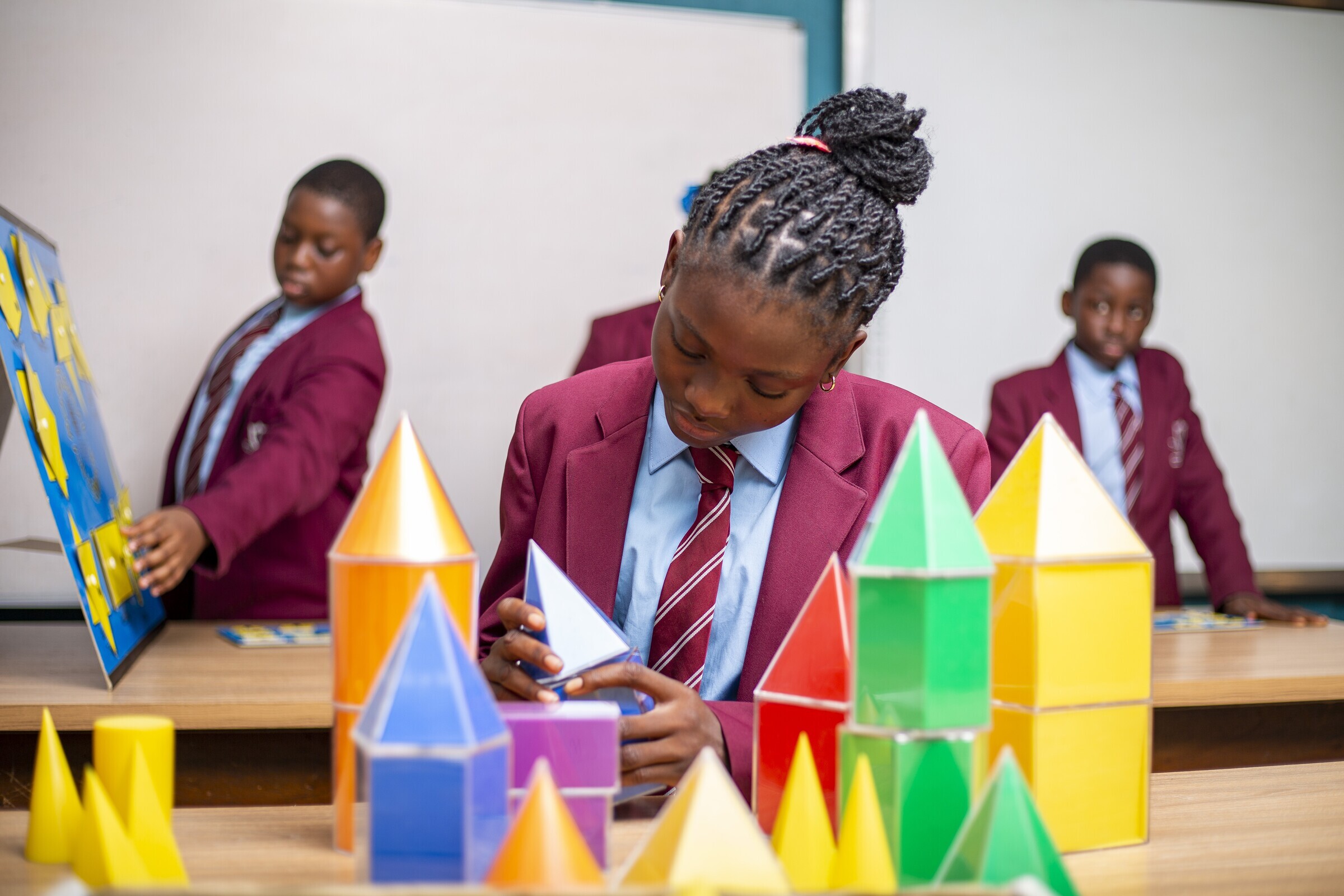
Typically ages 11 to 14
Junior School
A broad and challenging education that develops curiosity, confidence and the foundations students need for Senior School.
A broad beginning
Curiosity, challenge and individual progress
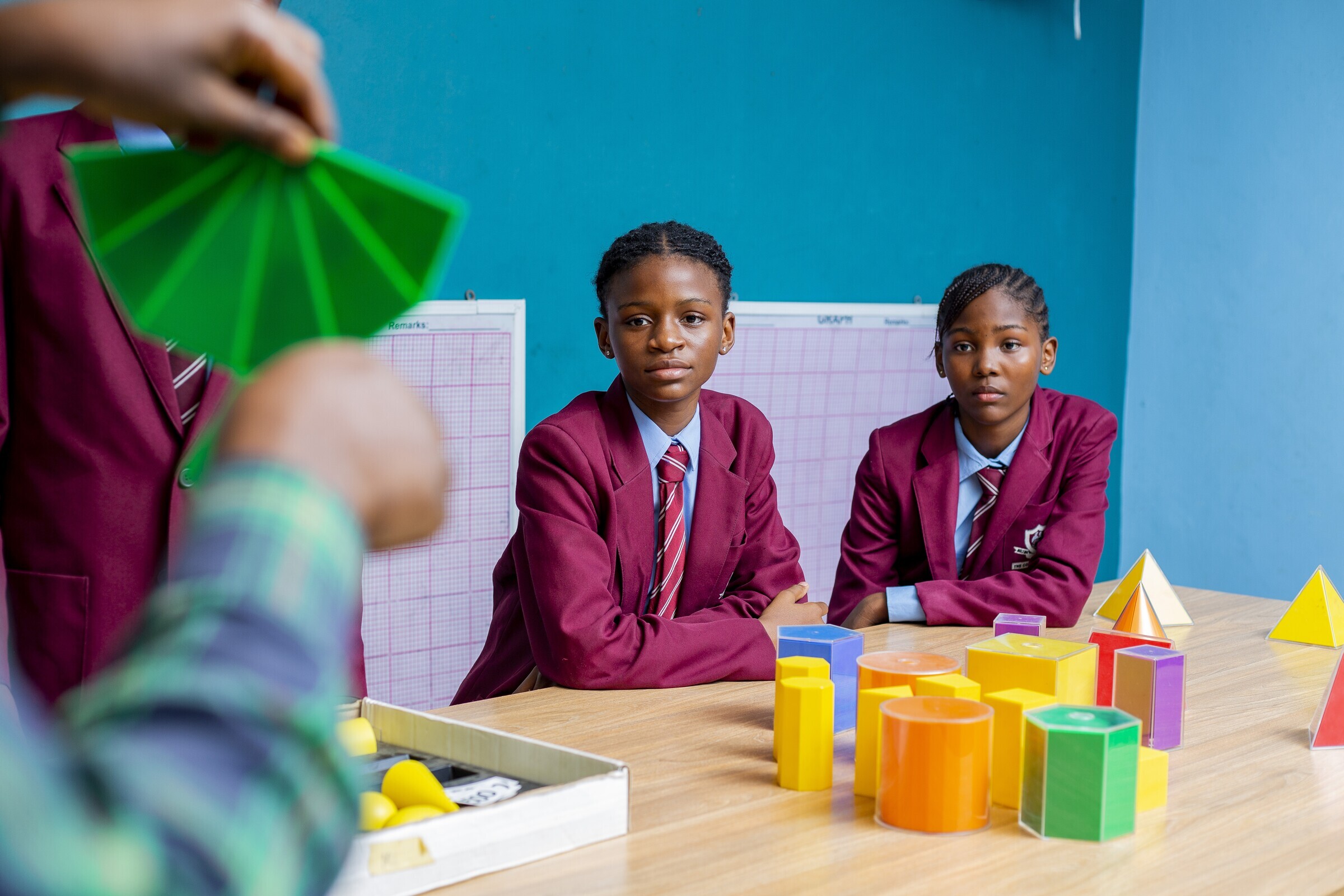
Junior School offers modern and challenging lessons that help pupils explore the world while developing secure foundations for Senior School.
Specialist teachers pay careful attention to each pupil’s progress and encourage every learner to fulfil their individual potential.
Pupils are expected to grasp new opportunities, celebrate their interests and take increasing responsibility for their learning. Field trips in geography, history and the sciences extend learning beyond the classroom.
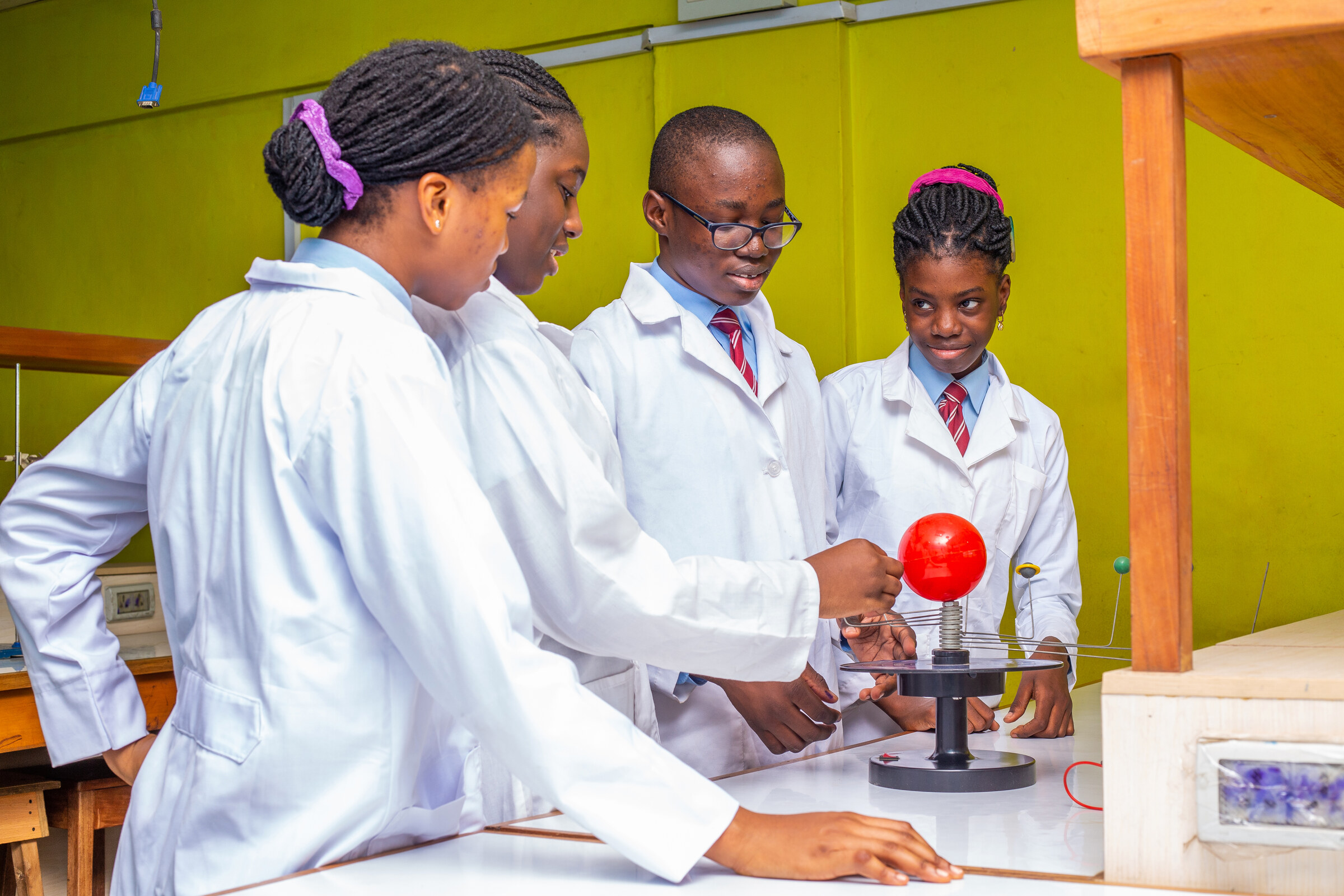
Cambridge Lower Secondary
An international measure of progress
Cambridge Lower Secondary Checkpoint assesses learners at the end of the lower secondary stage and provides valuable feedback before Senior School.
The assessments are available in English, mathematics and science. Results give the school an external international benchmark and help teachers understand each learner’s strengths and areas for development.
Year Nine students take the relevant Checkpoint series as part of their preparation for IGCSE and other Senior School pathways.
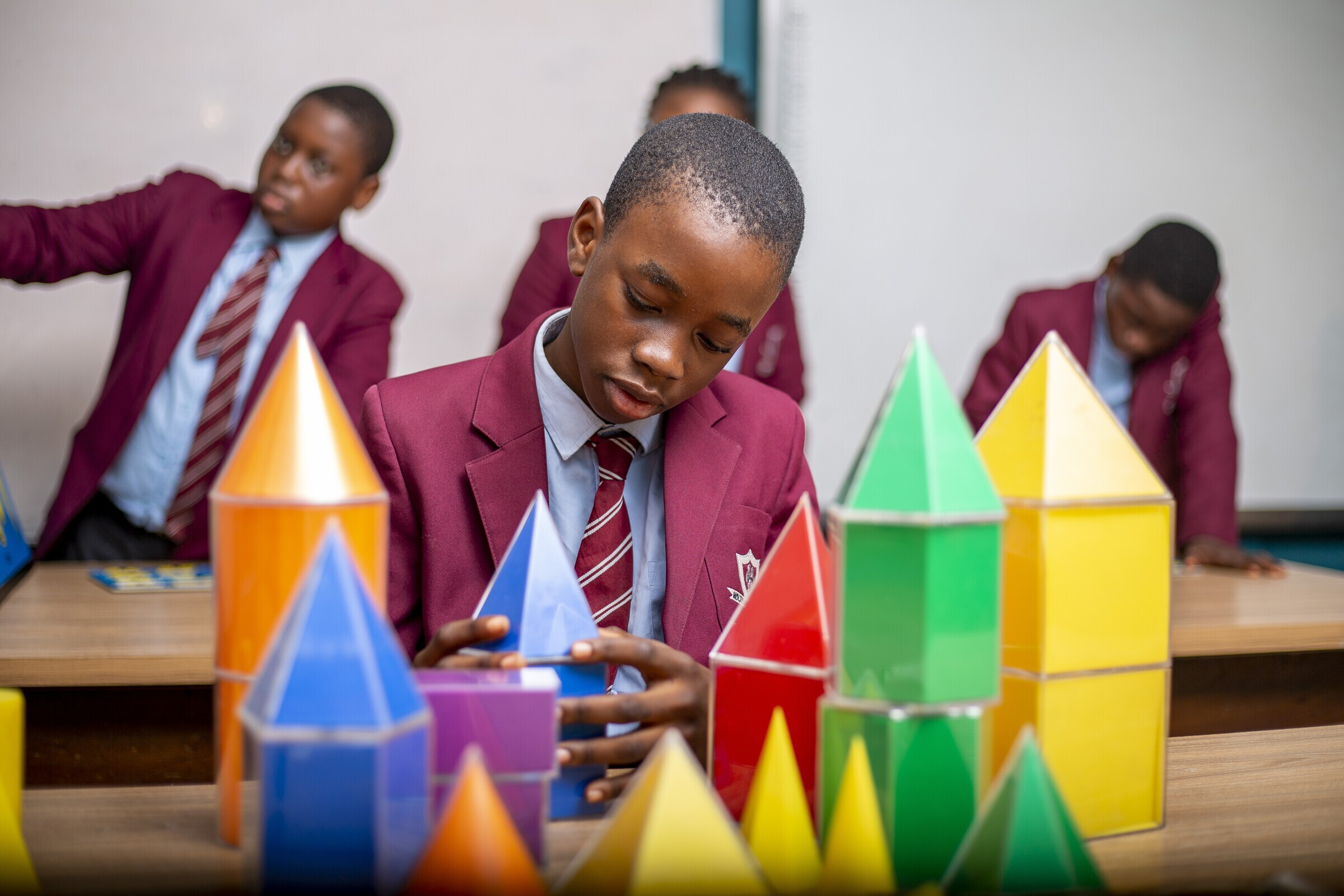
Inside Junior School
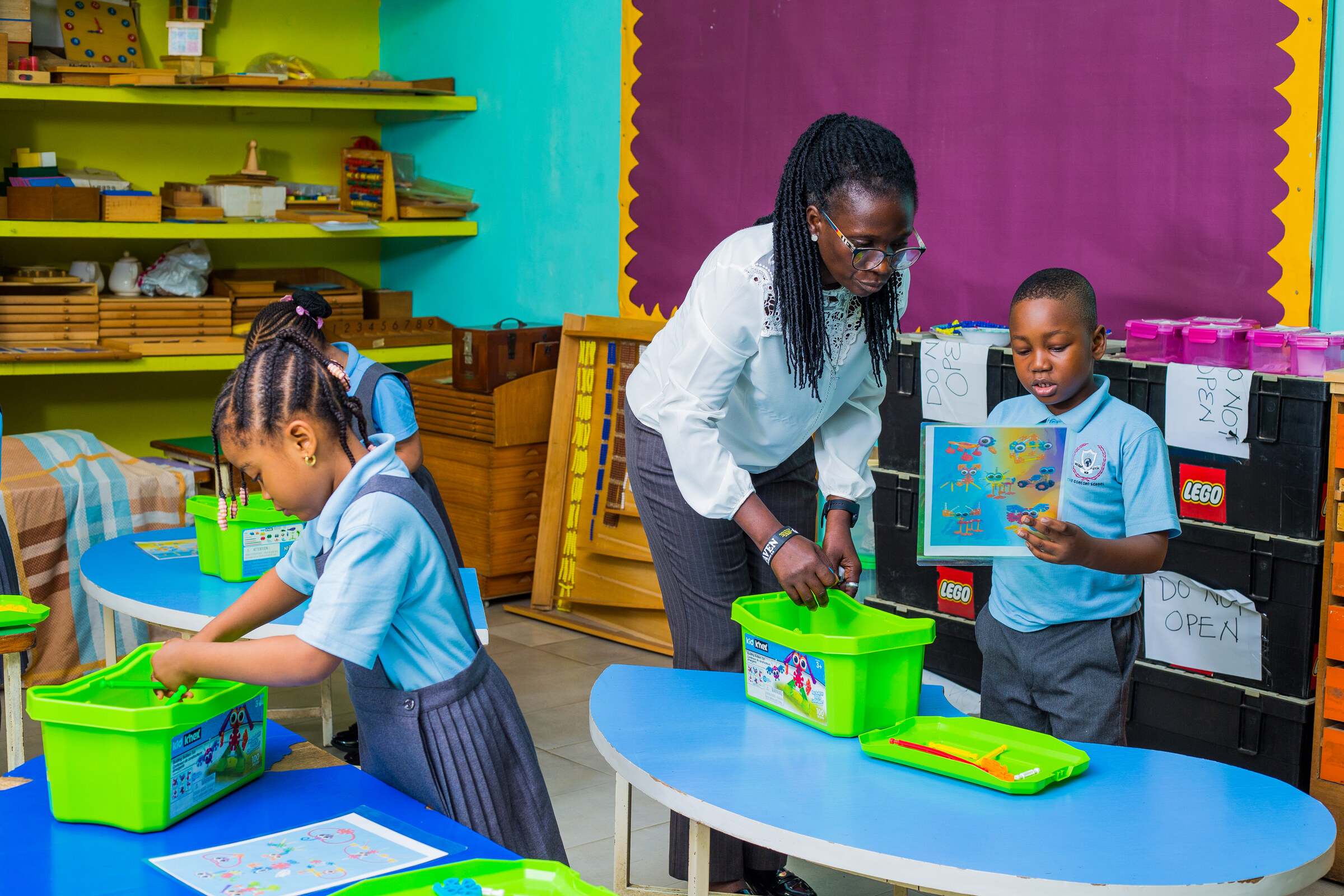
Exploration with growing independence.
Continue exploring
Discover more of Concord.
 IGCSE, WASSCE & A LevelSenior School
 Junior & Senior SchoolHigh School overview